In brief
- Galatina is the cultural heart of the region, home to the frescoed Basilica of Santa Caterina and the original pasticciotto pastry.
- Otranto and Gallipoli serve as the main coastal hubs, featuring historic island centers, Byzantine mosaics, and underground oil mills.
- Nardò and Specchia offer the best baroque architecture and "most beautiful village" status with fewer crowds than coastal resorts.
- Castro and Santa Maria di Leuca provide dramatic cliffside views and sea caves where the Adriatic and Ionian seas meet.
- Travel Tip: Renting a car is essential to reach smaller inland villages, and most towns observe a traditional 'riposo' closure between 1:30 PM and 5:00 PM.
While the baroque splendor of Lecce could keep you captivated for days, the surrounding Salento peninsula is home to some of Italy’s most evocative 'borghi'—small, historic towns that feel suspended in time. Most are reachable within a 30 to 60-minute drive from the city, making them perfect day trips.
From the Ionian coast to the Adriatic, here are the most beautiful villages to visit during your stay in Salento.
Galatina: The Heart of Salentine Magic
Located just 20km south of Lecce, Galatina is often called the 'Assisi of the South.' It is far less crowded than the coastal towns but arguably more culturally significant.
The Basilica of Santa Caterina d'Alessandria
You cannot visit Galatina without stepping inside this 14th-century Gothic masterpiece. The interior is completely covered in frescoes that rival those of Giotto, depicting biblical scenes with incredible vibrancy. It is one of the few places in Puglia where the Romanesque-Gothic style overshadows the typical Baroque.
The Birthplace of the Pasticciotto
Galatina is also the ancestral home of the pasticciotto, Puglia’s favorite breakfast pastry. According to local lore, it was invented here at Pasticceria Ascalone in the 18th century. After grabbing a pastry, head to the Chapel of Saint Paul, where the 'tarantate' (women supposedly bitten by tarantulas) would come to be healed through music and dance—the origin of the famous Pizzica folk music.
Otranto: The Gateway to the East
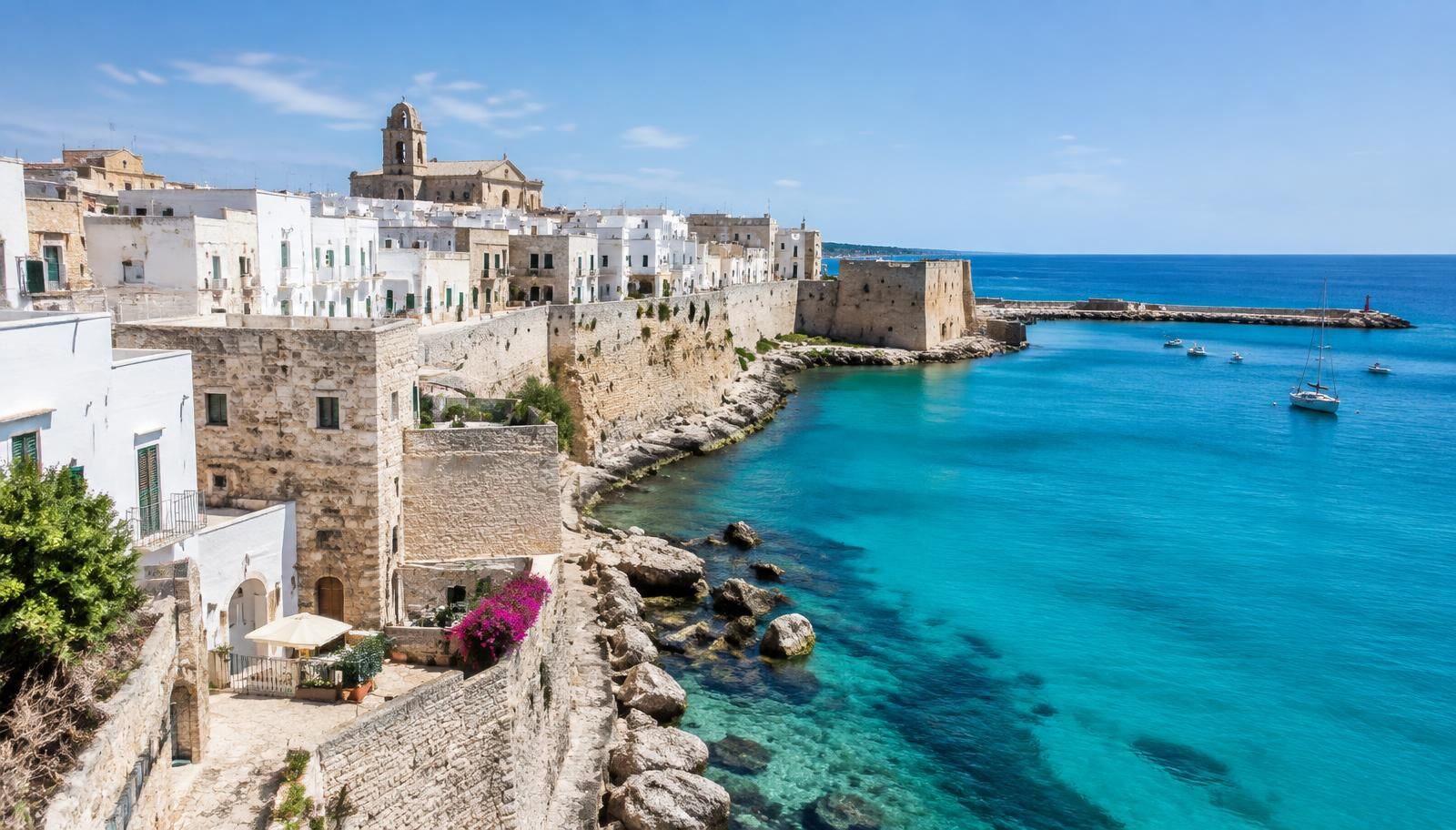
Otranto is Italy’s easternmost town and perhaps its most atmospheric. The historical center is a labyrinth of white stone alleys that lead to the turquoise harbor. It is an essential stop if you are planning Puglia in a week.
The Cathedral Mosaics
The Cathedral of Santa Maria Annunziata houses one of the largest and most mysterious floor mosaics in the world. Created by a monk named Pantaleone in the 12th century, it depicts the Tree of Life populated by biblical figures, mythological creatures, and even King Arthur. Nearby, the 'Chapel of Martyrs' displays the skulls of 800 citizens who refused to convert during the Ottoman invasion of 1480.
Coastal Vibe
Walking along the Aragonese walls at sunset offers spectacular views of the Adriatic. If you have time, drive 10 minutes south to see the Bauxite Quarry (Cava di Bauxite), a stunning emerald lake surrounded by deep red earth.
Gallipoli: The Pearl of the Ionian
On the opposite coast, Gallipoli ('Kalé Pólis' or Beautiful City in Greek) sits on a limestone island connected to the mainland by a 16th-century bridge.
The Old Town
The historic center is a tight circle of narrow streets designed to break the wind. Don't miss the Greek Fountain and the Cathedral of Sant'Agata, which features a facade so ornate it rivals the churches in the historic centre of Lecce.
The Underground Oil Mills
Beneath the streets of Gallipoli lies a network of frantoi ipogei (underground oil mills). In the 17th and 18th centuries, Gallipoli was the world capital of lamp oil, lighting the streets of London and Paris. You can tour some of these atmospheric caves today.
Nardò: A Baroque Rival
Nardò is often overlooked by tourists rushing to the coast, but its Piazza Salandra is arguably the most beautiful square in the region. It feels like a miniature, more intimate version of Lecce, with golden stone balconies and intricate fountains. It is a great place to stop for an aperitivo away from the crowds after a day at the nearby beaches.
Castro: The Terrace of the Adriatic
Perched high on a cliff, Castro is divided into Castro Superiore (the old town) and Castro Marina (the port).
- The Zinzulusa Cave: Accessible by boat or a narrow cliffside path, this is one of the most famous sea caves in Italy.
- The Castle: The recently restored Aragonese castle offers a terrace with views that stretch all the way to the mountains of Albania on clear days.
Specchia: One of the 'Borghi Più Belli'
Consistently voted among the most beautiful villages in Italy, Specchia is located further south toward the tip of the heel. Its name comes from the 'Specchie'—piles of stones used as lookout points by the ancient Messapians. The town is a masterclass in restoration, with quiet, polished stone streets that lead to the 15th-century Risolo Castle.
Santa Maria di Leuca: Finibus Terrae
This is where the land ends (Finibus Terrae). Leuca is famous for the meeting of the two seas—the Adriatic and the Ionian—and its iconic white lighthouse. The town is lined with eccentric 19th-century villas built in styles ranging from Moorish to Gothic, reflecting the whimsical tastes of the Pugliese aristocracy of the time.
Practical Tips for Your Trip
- Car Rental: While trains run to Gallipoli and Otranto, a car is essential for visiting places like Specchia or the coastal roads of Castro.
- Pace: Don't try to see all of these in one day. Group them by coast: Otranto and Castro one day, Gallipoli and Nardò another.
- Timing: Remember that most shops and some churches in these villages close for 'riposo' (siesta) between 1:30 PM and 5:00 PM. Plan your meals accordingly.
Staying in the Heart of the Action
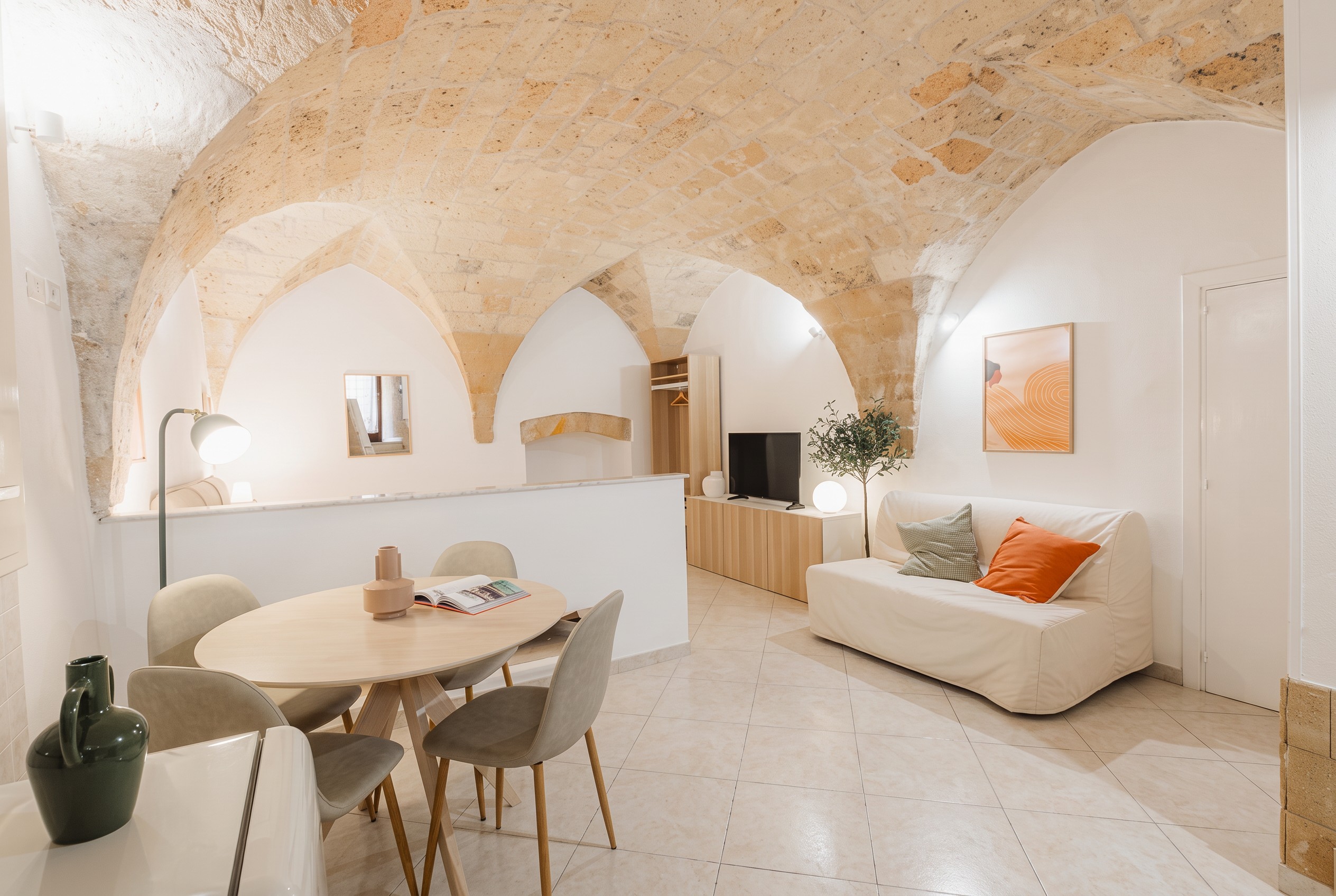
To explore these villages effectively, the best strategy is to use the provincial capital as your base. Staying in the historic center allows you to return from a day of exploration to the best dining scene in Salento. La Casita is located in a quiet lane just steps from Porta Napoli, offering the perfect blend of traditional architecture and modern comfort. From here, you are perfectly positioned to walk to the city's landmarks or head out to the ring road to start your Salento road trip.
Frequently asked questions
What are the best day trips from Lecce by car?
Otranto and Gallipoli are the most popular day trips, both reachable within 30-45 minutes. For a more traditional experience, Galatina and Nardò offer stunning Baroque architecture and authentic Salentine culture without the coastal crowds.
Where can I see the best mosaics in Puglia?
The Cathedral of Santa Maria Annunziata in Otranto houses a massive 12th-century floor mosaic depicting the Tree of Life. It is considered one of the most important and well-preserved medieval artworks in Italy.
Which Salento village is famous for the pasticciotto?
Galatina is the birthplace of the pasticciotto, Puglia’s iconic custard-filled breakfast pastry. Local tradition credits Pasticceria Ascalone with its invention in the 18th century.
Is a car necessary for a Salento road trip?
Yes, while trains connect Lecce to larger towns like Gallipoli, a car is required to visit the most beautiful villages like Specchia, the Zinzulusa caves in Castro, and the scenic coastal viewpoints of Leuca.
- #Salento
- #Day Trips
- #Borghi più belli d'Italia
- #Puglia Coast
- #Historic Towns
La Casita Lecce
Discover La Casita
An apartment with vaulted Lecce-stone ceilings in the heart of the old town, at Via Idomeneo 31C, a short walk from Porta Napoli. The ideal base to explore Lecce on foot.
You might also like
Itinerari7 min read
Lecce in 2 Days: The Ultimate Weekend Itinerary
Experience the best of the 'Florence of the South' with our curated 48-hour guide, covering baroque masterpieces, hidden courtyards, and authentic Salentine flavors.
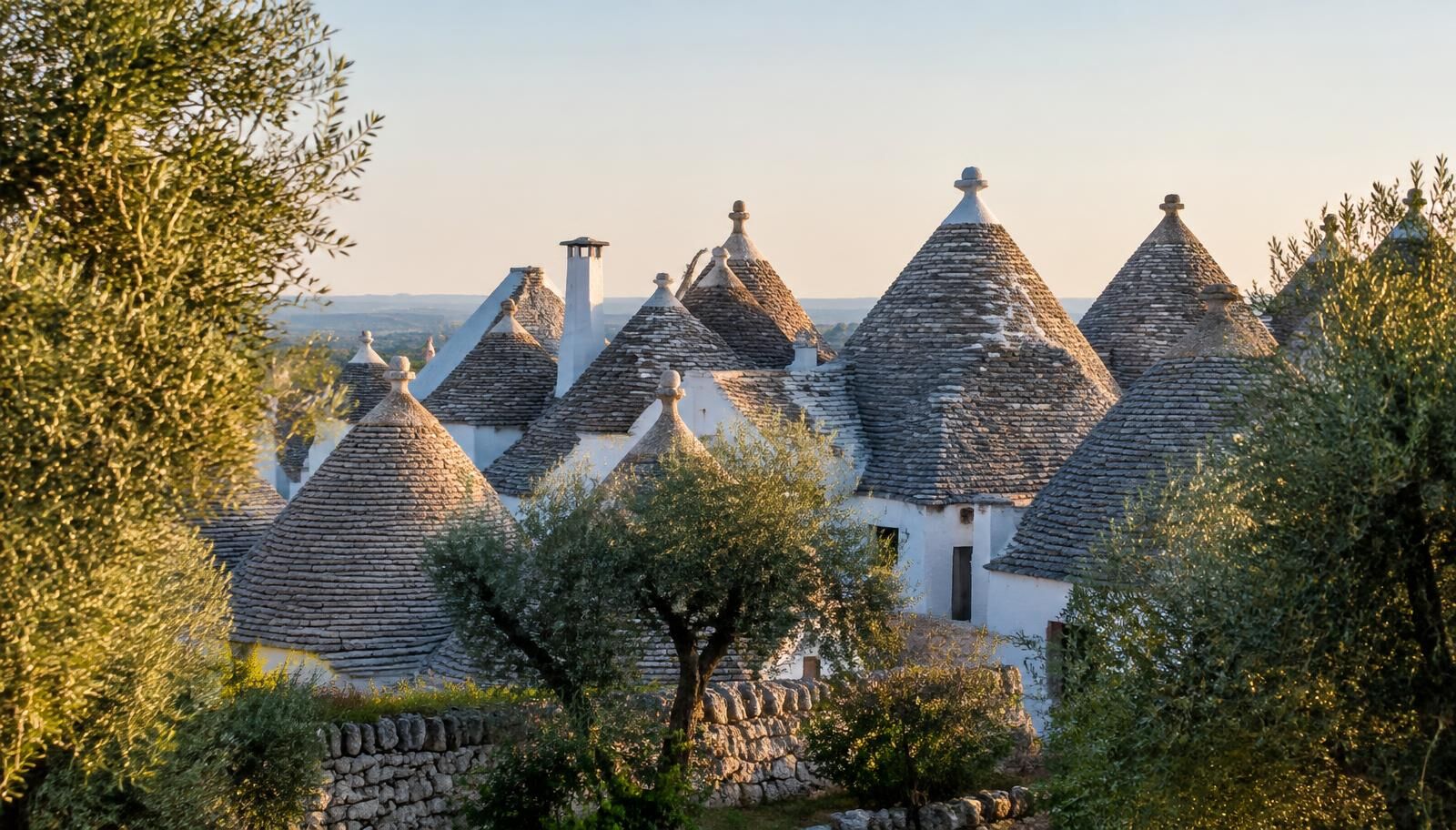
Itinerari6 min read
Puglia in a Week: The Perfect Itinerary Based in Lecce
Discover how to explore the best of Puglia including the Valle d'Itria and Salento coastline while using the baroque jewel of Lecce as your home base.
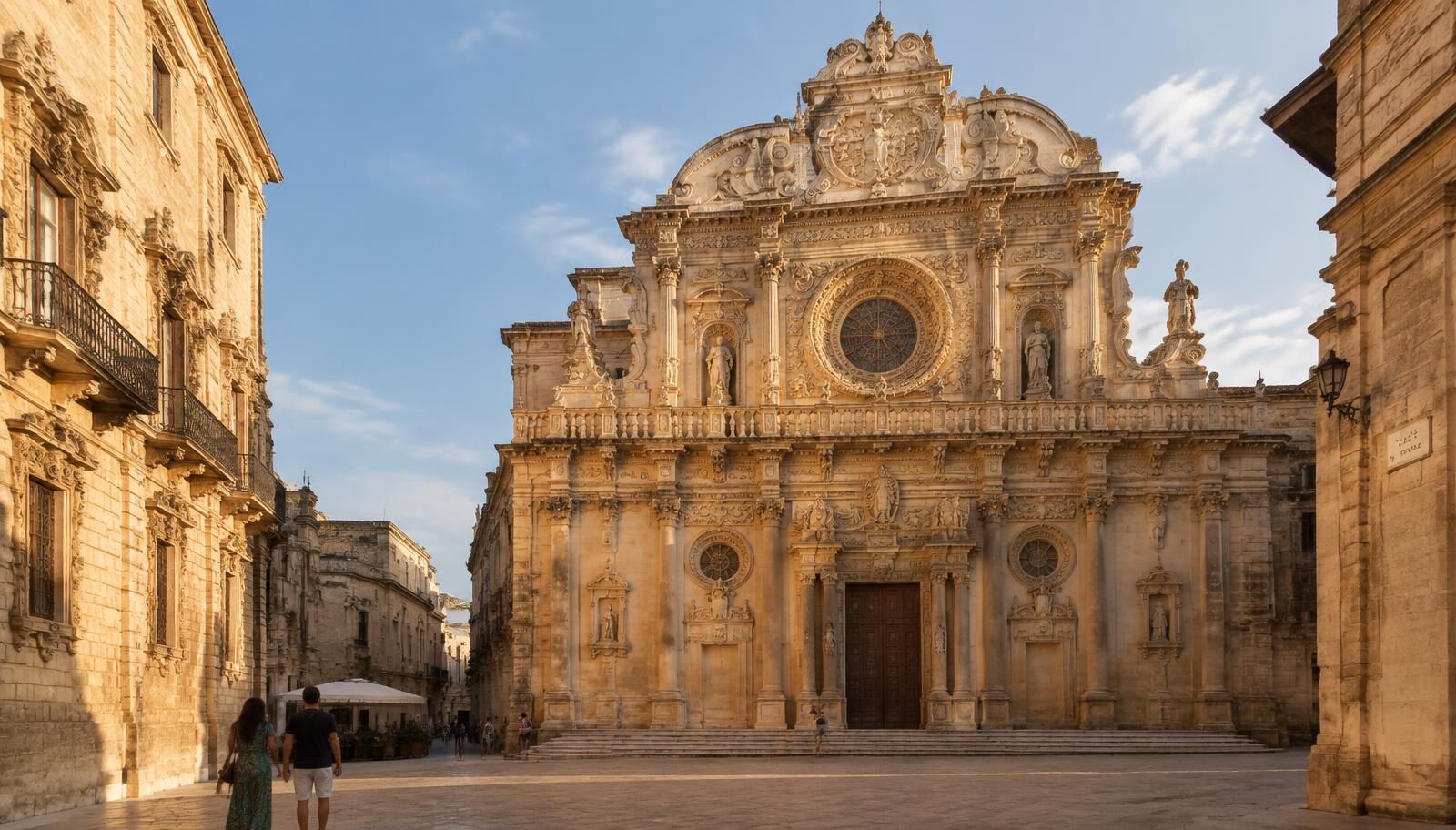
Cosa vedere7 min read
Exploring Lecce: A Complete Guide to the Florence of the South
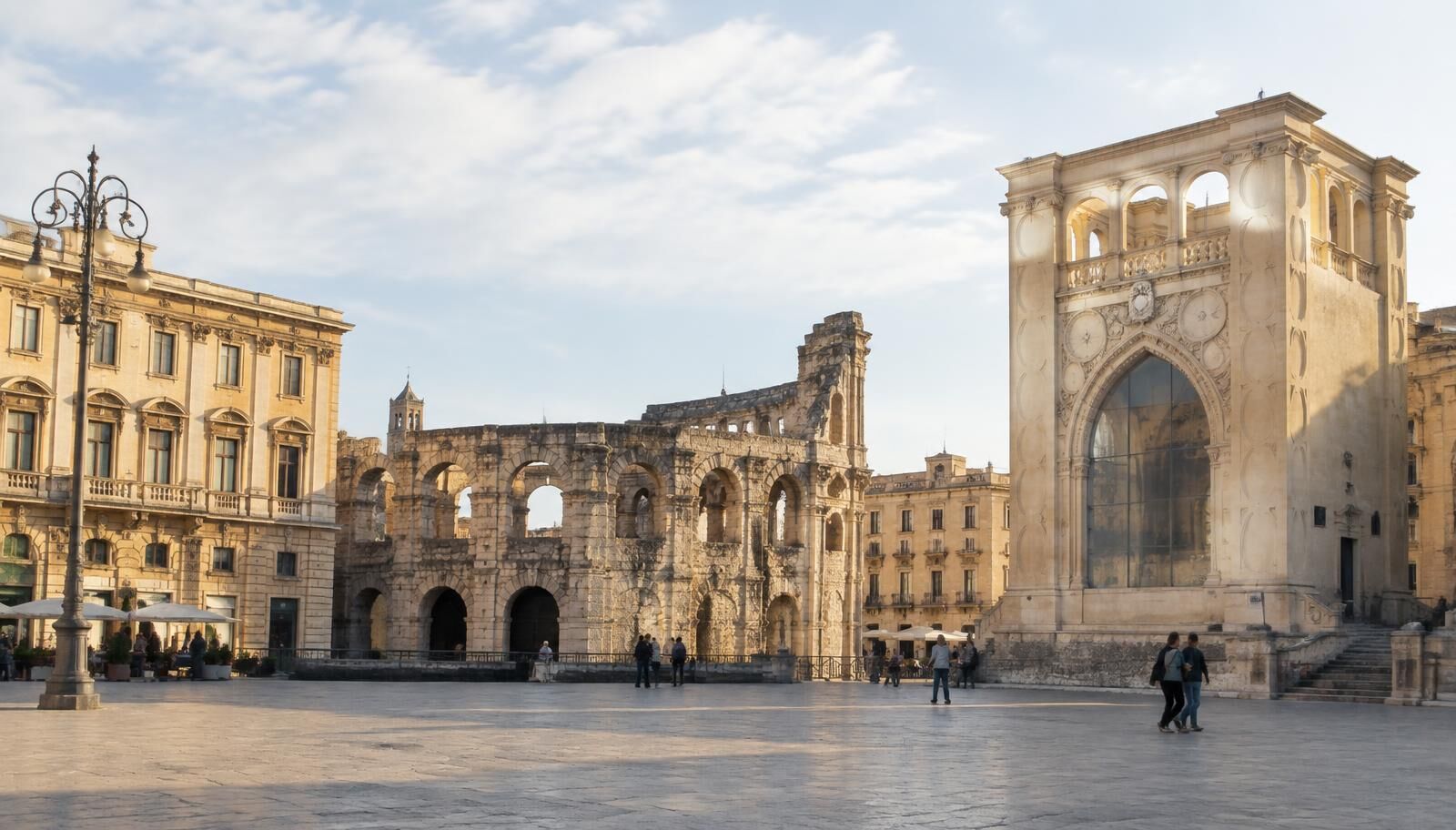
Discover the golden baroque facades and ancient ruins of Lecce, from the intricate Santa Croce to the hidden history of the Museo Faggiano.
La Casita Lecce