
Itinerari7 min read
Lecce in 2 Days: The Ultimate Weekend Itinerary
Experience the best of the 'Florence of the South' with our curated 48-hour guide, covering baroque masterpieces, hidden courtyards, and authentic Salentine flavors.
by La Casita Lecce · Published · Updated
In brief
- Must-see sites: Visit the Basilica di Santa Croce for Baroque carvings, the Roman Amphitheatre in Piazza Sant'Oronzo, and the soaring Piazza del Duomo.
- Top experiences: Explore traditional papier-mâché (cartapesta) workshops near Via Palmieri and take a sunset passeggiata through the historic centre.
- Local food: Try rustico leccese for a snack, and ciceri e tria or fave e cicoria paired with Salento wines for dinner.
- Logistics: Purchase a 'LeccEcclesiae' ticket for discounted access to major churches and stay within the ZTL (historic walls) for easy walking access.
Lecce is a city that demands to be explored slowly. Often called the "Florence of the South," its beauty lies in the honey-colored limestone—pietra leccese—that glows under the Mediterranean sun. While you could easily spend a week using the city as a base to explore the best beaches in Salento, two days is the perfect amount of time to soak up the atmosphere of the historic centre and see the main architectural highlights.
This itinerary is designed to help you navigate the winding alleys without feeling rushed, leaving plenty of time for a caffè leccese and people-watching in the piazza.
Day 1: Baroque Splendor and Roman Ruins
Morning: The Gateway to the City
Start your journey at Porta Napoli, the most impressive of the city's three remaining gates. Built in 1548 in honor of Charles V, it marks the entrance to the old town. From here, a short stroll takes you into the heart of the historic district.
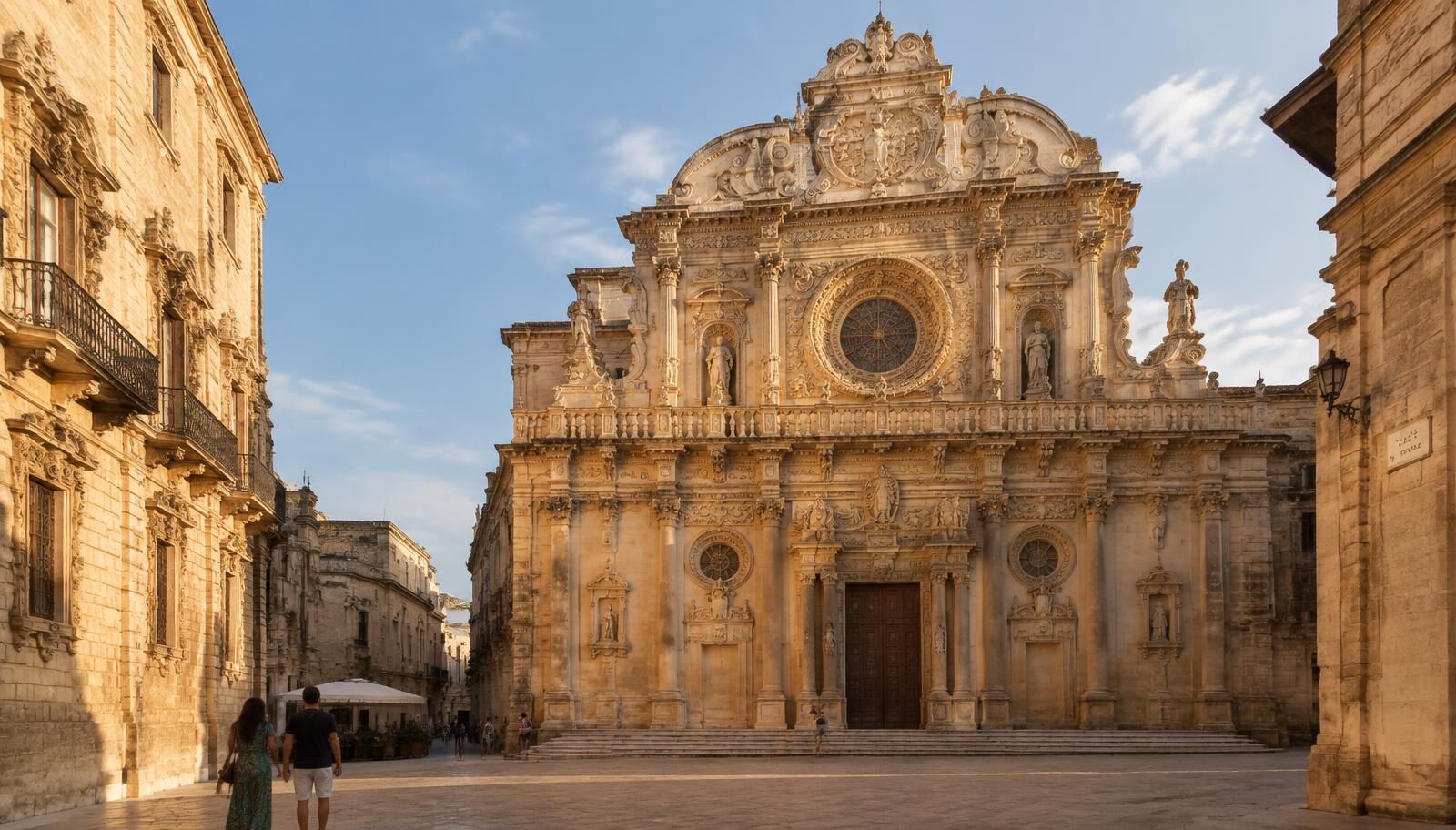
Your first major stop should be the Basilica di Santa Croce. Even if you think you’ve seen enough churches in Italy, this one is different. The facade is a riot of carvings: sheep, dodos, cherubs, and botanical patterns that seem to defy the hardness of stone. Right next door is the Palazzo dei Celestini, once a monastery and now the seat of the local government, which boasts a more restrained but equally elegant Baroque facade.
Afternoon: The Pulse of the City
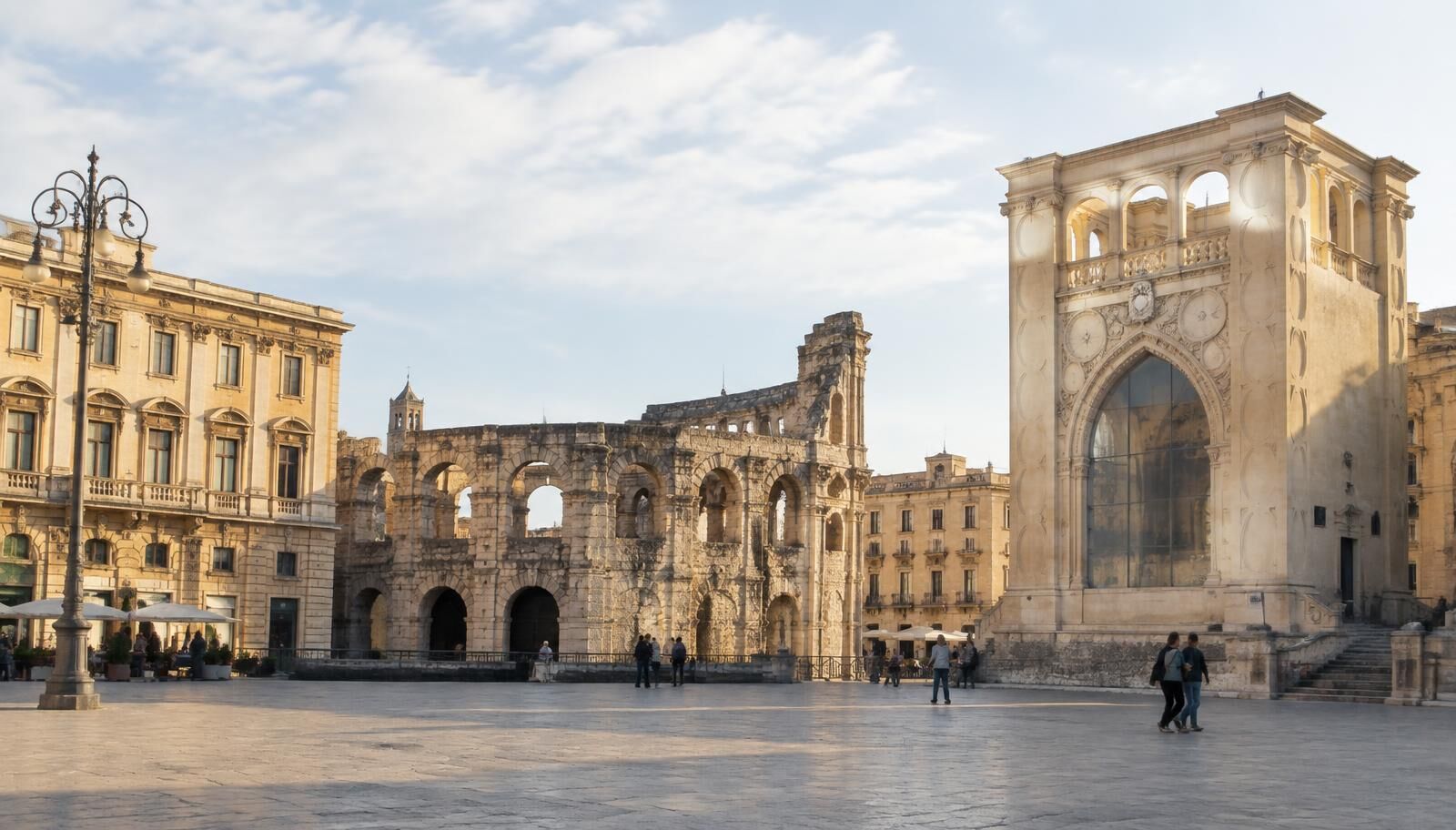
Head toward Piazza Sant'Oronzo, the city's main square. Here, history is literally layered. In the center, you’ll find the Roman Amphitheatre, which was only rediscovered in the early 20th century. It once held about 25,000 spectators and still hosts concerts today. Overlooking the square is the Colonna di Sant'Oronzo, a statue of the patron saint perched atop a Roman column that originally marked the end of the Appian Way in Brindisi.
For lunch, skip the tourist menus and try a rustico leccese—a puff pastry disc filled with mozzarella, tomato, and béchamel—from a local bakery. It is the quintessential street food of the city.
Evening: Piazza del Duomo
As the sun begins to set, make your way to Piazza del Duomo. This is one of the few "closed" squares in Italy, originally designed as a fortified courtyard. At night, the lighting makes the Cathedral and the 70-meter-high bell tower look almost otherworldly. It’s the perfect time to explore the historic centre's evening atmosphere, when the locals come out for the passeggiata.
Day 2: Artisans, Gardens, and Local Flavors
Morning: The Art of Papier-Mâché
Lecce is famous for cartapesta (papier-mâché). In the 17th and 18th centuries, because wood and marble were expensive and heavy, local artisans perfected the art of creating lifelike religious statues from paper and glue.
Spend your morning wandering the workshops around Via Palmieri and Via Vittorio Emanuele II. You can see masters at work, using traditional techniques to create everything from sacred art to contemporary design pieces. If you are interested in a deeper dive into the city's past, visit the MUST (Museo Storico della Città di Lecce) or the Castello Carlo V, which often hosts art exhibitions and houses the Papier-Mâché Museum.
Afternoon: Green Escapes and Hidden Corners
After the density of the Baroque streets, find some breathing room at the Villa Comunale, the city's public gardens. It’s a peaceful spot with shaded walkways and busts of famous Italians.
From here, head toward the Church of San Matteo, which features a unique convex-concave facade, reminiscent of Borromini’s work in Rome. It’s located in a slightly quieter part of the centre, perfect for discovering hidden courtyards (cortili) that Lecce is famous for. Many of these private spaces are tucked behind unassuming heavy wooden doors—if you see one open, peek inside to see the beautiful staircases and hanging plants.
Evening: A Salentine Feast
You cannot leave without a proper sit-down dinner to experience the local culinary scene. Look for a trattoria serving ciceri e tria (pasta with chickpeas, partly fried for texture) or fave e cicoria (broad bean purée with wild chicory). Pair it with a glass of Negroamaro or Primitivo wine from the surrounding Salento vineyards.
Finish your stay by enjoying a drink in one of the lively bars near Santa Croce or Porta Biagio, experiencing firsthand why the city is so popular for its vibrant nightlife.
Practical Tips for Your Stay
- Walking is key: The historic centre is a ZTL (Limited Traffic Zone). You will do a lot of walking, so bring comfortable shoes for the uneven cobblestones.
- Siesta time: Note that many shops and even some churches close between 1:30 PM and 4:30 PM. Use this time for a long lunch or a rest.
- Tickets: For the main churches (Duomo, Santa Croce, San Matteo, Santa Chiara), there is a combined "LeccEcclesiae" ticket available, which is much cheaper than paying for each individually.
Where to Stay in Lecce
To truly feel the soul of the city, you must stay within the ancient walls. Waking up to the sight of golden stone and the sound of church bells is an experience like no other.
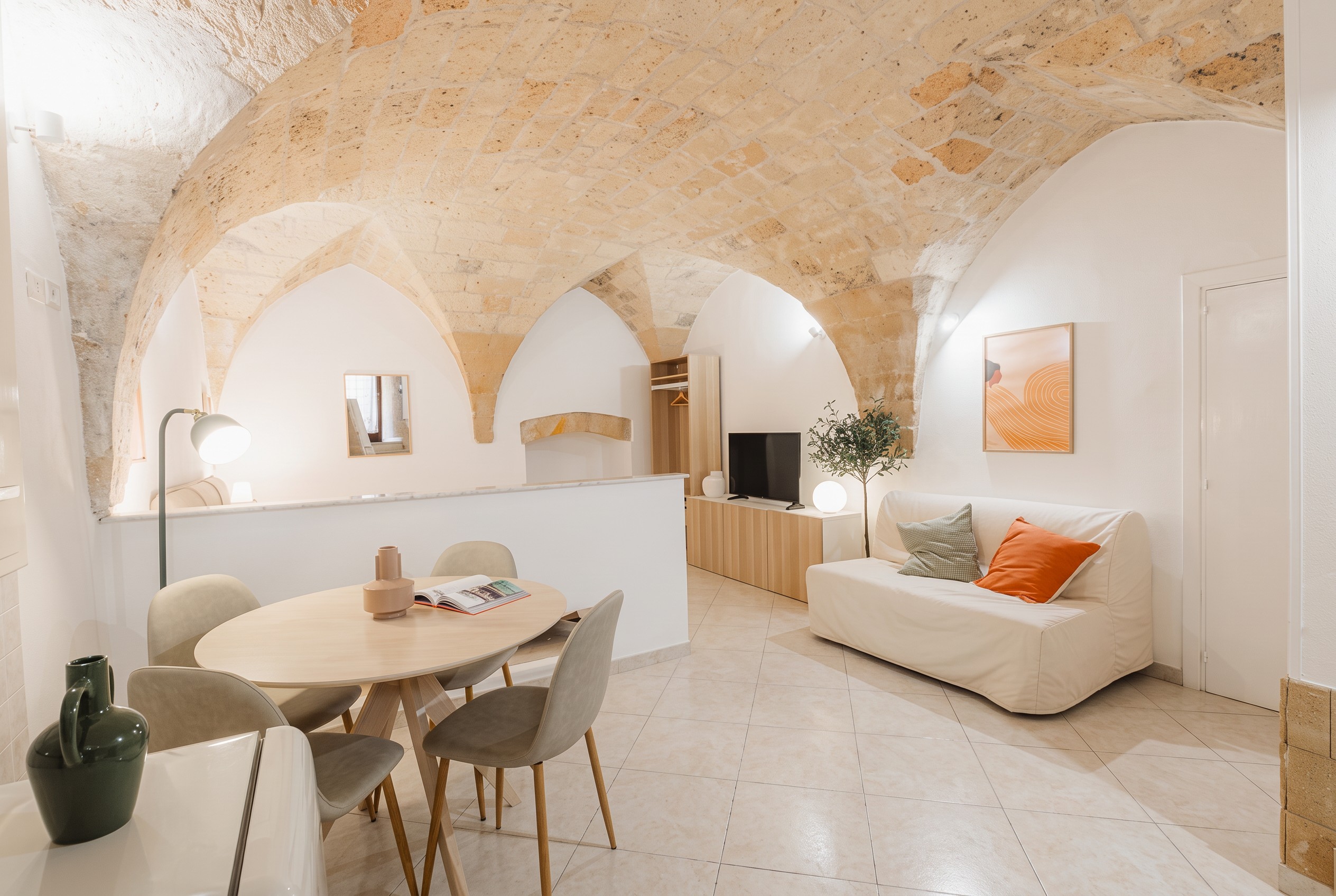
If you are looking for an authentic retreat, La Casita offers a charming base in the heart of the historic centre on Via Idomeneo. Situated just a short walk from Porta Napoli, this apartment features traditional stone vaulted ceilings, blending historical character with modern comfort. Staying here allows you to explore all the major sites on foot while being tucked away in a quiet, characteristic street, making it the perfect home away from home for your two-day Lecce adventure.
Frequently asked questions
Is 2 days enough to see Lecce?
Yes, two days is the perfect amount of time to explore the historic centre's Baroque landmarks, Roman ruins, and artisan workshops at a leisurely pace. It allows you to see the main highlights like Santa Croce and the Duomo while enjoying the local dining scene.
What is the best area to stay in Lecce for a weekend?
The best area to stay is within the historic centre (Centro Storico) near landmarks like Porta Napoli or Via Idomeneo. This puts you within walking distance of all major sights and allows you to experience the city's unique golden-stone architecture and evening atmosphere.
What food is Lecce famous for?
Lecce is famous for the 'rustico leccese', a savory pastry filled with béchamel and tomato, and 'ciceri e tria', a pasta dish with chickpeas. Don't miss a 'caffè leccese'—espresso with almond syrup and ice—at a local café.
What is the best way to get around Lecce?
The historic centre is a Limited Traffic Zone (ZTL), so walking is the best and only practical way to get around. The area is compact and pedestrian-friendly, though comfortable shoes are recommended for the historic cobblestone streets.
- #weekend in Lecce
- #Puglia travel guide
- #Baroque architecture
- #Salento itinerary
- #slow travel Italy
La Casita Lecce
Discover La Casita
An apartment with vaulted Lecce-stone ceilings in the heart of the old town, at Via Idomeneo 31C, a short walk from Porta Napoli. The ideal base to explore Lecce on foot.
You might also like
Itinerari7 min read
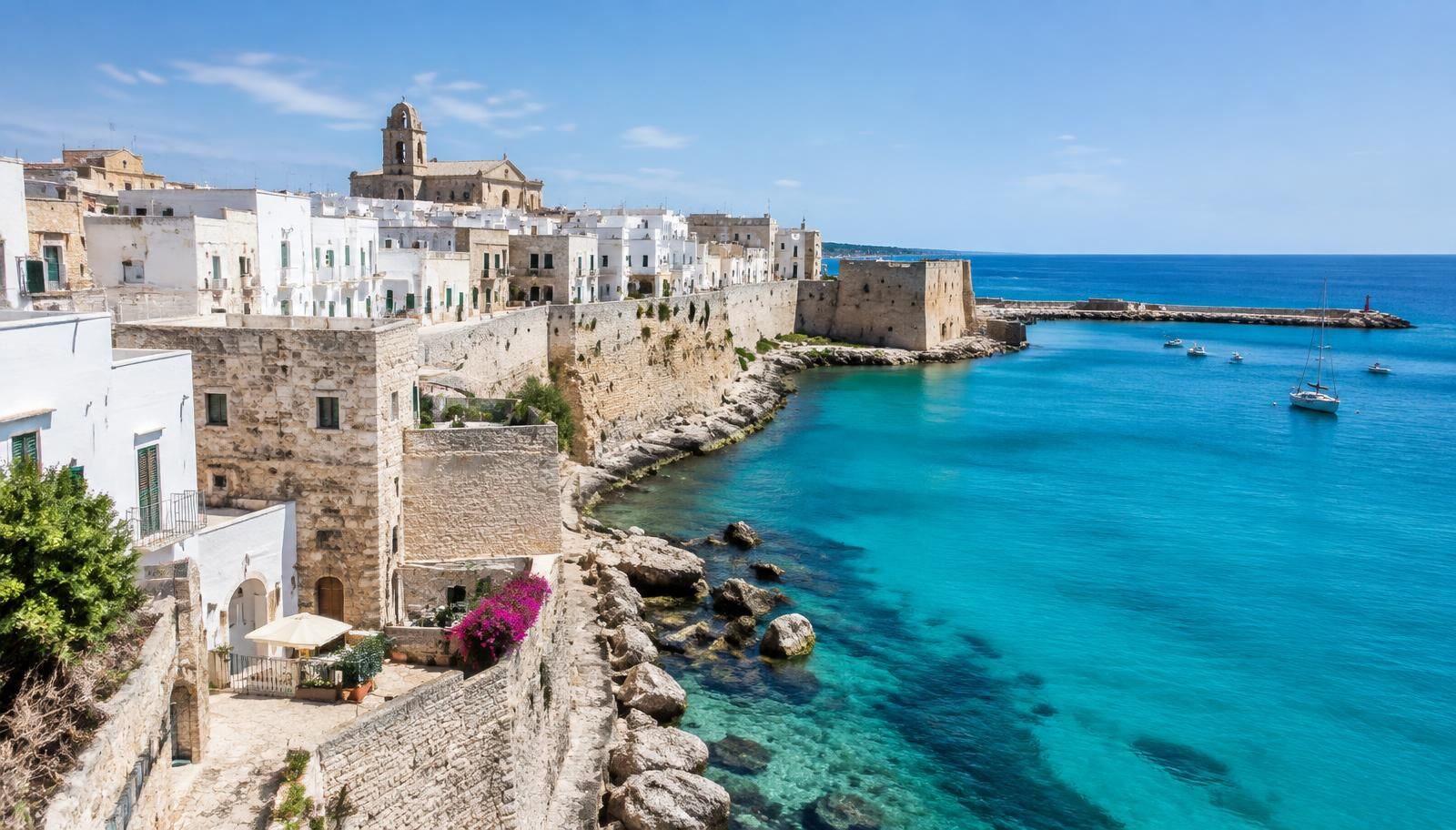
The Most Beautiful Villages to Visit Near Lecce: A Salento Road Trip
Discover the hidden gems of the Salento peninsula, from the white-washed streets of Galatina to the dramatic sea cliffs of Castro.
Itinerari6 min read
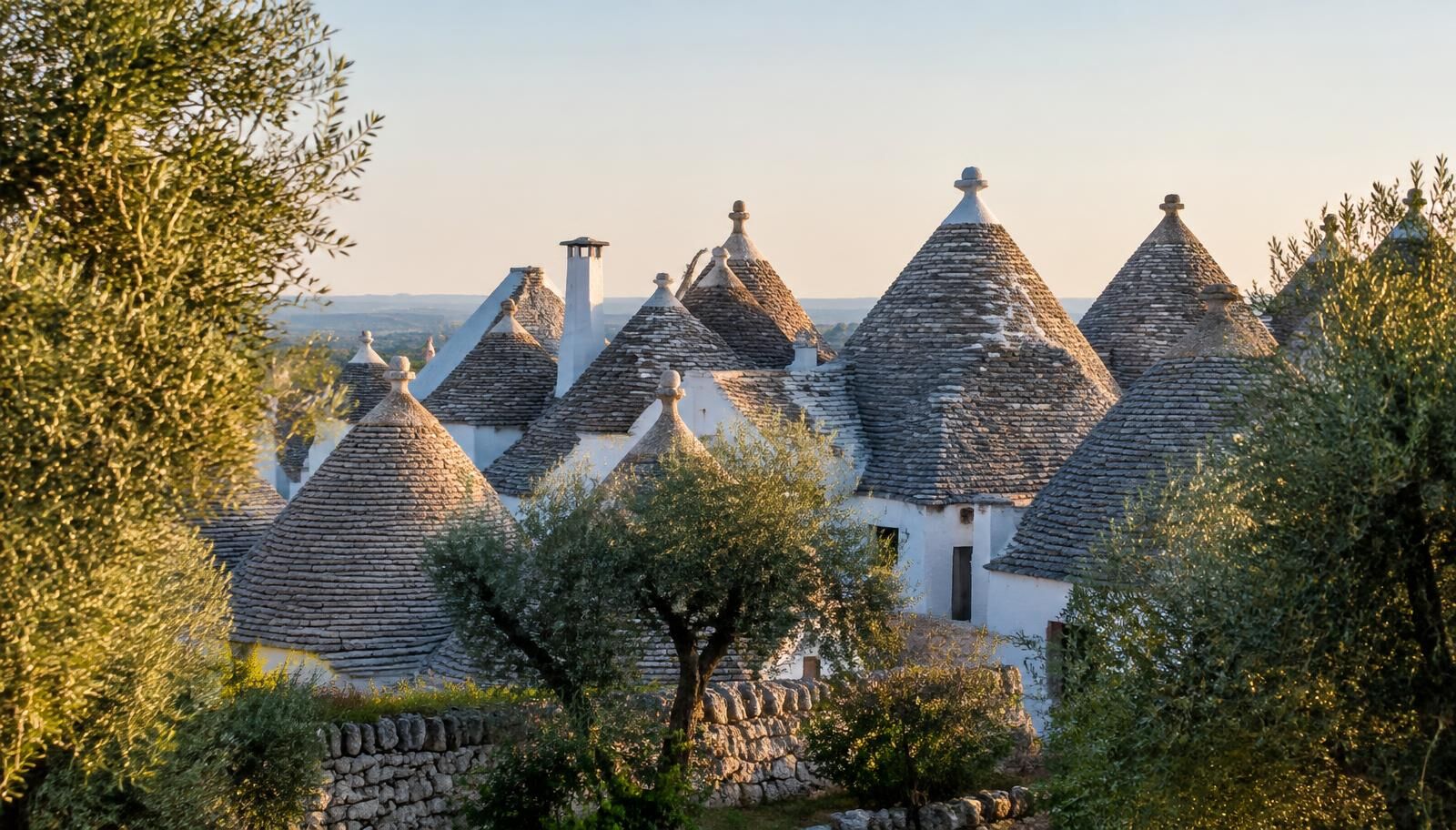
Puglia in a Week: The Perfect Itinerary Based in Lecce
Discover how to explore the best of Puglia including the Valle d'Itria and Salento coastline while using the baroque jewel of Lecce as your home base.
Cosa vedere7 min read
Exploring Lecce: A Complete Guide to the Florence of the South
Discover the golden baroque facades and ancient ruins of Lecce, from the intricate Santa Croce to the hidden history of the Museo Faggiano.
La Casita Lecce